By Dr. Amit Singh
MBBS, MD, DM – Cardiology
Introduction
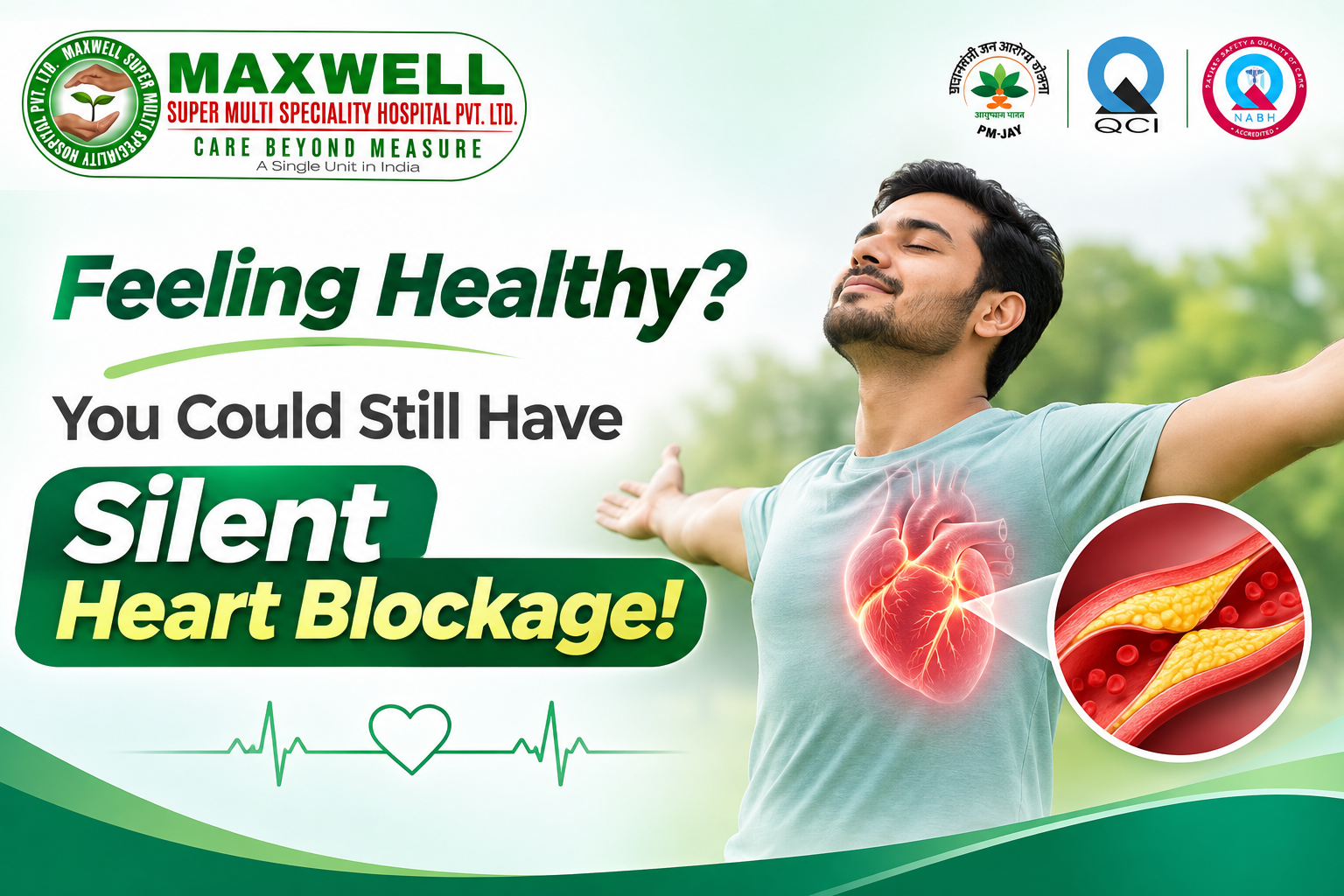
When we think about heart blockage, symptoms like chest pain, breathlessness, sweating, and fatigue often come to mind. But did you know that a person can have significant blockages in their heart arteries without experiencing any noticeable symptoms?
Yes, it is possible! Some people have coronary artery disease for years without realizing it. This condition is sometimes called silent heart disease or silent myocardial ischemia, especially when reduced blood supply to the heart does not cause noticeable symptoms.
Understanding this condition is important because early detection can help prevent serious heart complications.
What Is Heart Blockage?
Heart blockage, medically known as Coronary Artery Disease (CAD), occurs when the arteries supplying blood to the heart become narrowed or blocked due to the buildup of fatty deposits called plaque.
This process is known as atherosclerosis. As the arteries become narrower, the heart may receive less oxygen-rich blood, particularly during physical activity or stress.
In severe cases, a complete blockage can lead to a heart attack.
Can Heart Blockage Develop Without Symptoms?
Yes! Not everyone with coronary artery blockage experiences warning signs.
Some people may have significant narrowing of their coronary arteries without chest pain or other obvious symptoms.
This can happen because:
- The blockage develops gradually over time.
- Some individuals may have reduced sensitivity to pain.
- The body may develop alternative blood supply pathways called collateral circulation.
- Symptoms may only appear during physical exertion or emotional stress.
People with diabetes may also experience silent ischemia because nerve damage can reduce their ability to recognize typical chest pain.
Important: The absence of chest pain does not necessarily mean your heart is healthy.
What Are the Risk Factors for Silent Heart Blockage?
Certain factors can increase your chances of developing coronary artery disease:
- Diabetes: High blood sugar can damage blood vessels and increase cardiovascular risk.
- High Blood Pressure: Uncontrolled blood pressure can damage artery walls.
- High Cholesterol: Elevated LDL cholesterol contributes to plaque formation.
- Smoking: Tobacco damages blood vessels and increases the risk of heart disease.
- Obesity: Excess body weight increases the risk of several cardiovascular conditions.
- Family History: A family history of early heart disease can increase your risk.
- Physical Inactivity: Lack of regular exercise can contribute to cardiovascular problems.
How Can You Detect Heart Blockage Without Symptoms?
Since silent heart blockage may not produce noticeable warning signs, medical evaluation becomes important, especially for people with multiple risk factors.
Your cardiologist may recommend certain investigations depending on your symptoms, medical history, and overall risk.
Common diagnostic tests include:
1. ECG (Electrocardiogram)
Records the electrical activity of the heart and can identify certain abnormalities.
2. 2D Echocardiography
Uses ultrasound to assess heart structure, pumping function, and movement of the heart walls.
3. TMT (Treadmill Test)
Evaluates how your heart responds to physical exercise and may help identify signs of reduced blood supply.
4. CT Coronary Angiography
Provides detailed images of the coronary arteries to detect narrowing or blockages.
5. Coronary Angiography
An invasive diagnostic procedure used to visualize coronary arteries and assess blockages when clinically indicated.
Not every person needs all these tests. Your cardiologist will decide which investigation is appropriate.
How Can You Reduce the Risk of Heart Blockage?
- A healthy lifestyle plays an important role in protecting your heart.
- Eat a balanced diet rich in fruits, vegetables, and whole grains.
- Exercise regularly, as advised by your doctor.
- Keep blood pressure, blood sugar, and cholesterol under control.
- Avoid smoking and tobacco products.
- Maintain a healthy body weight.
- Get regular health checkups based on your cardiovascular risk.
When Should You Consult a Cardiologist?
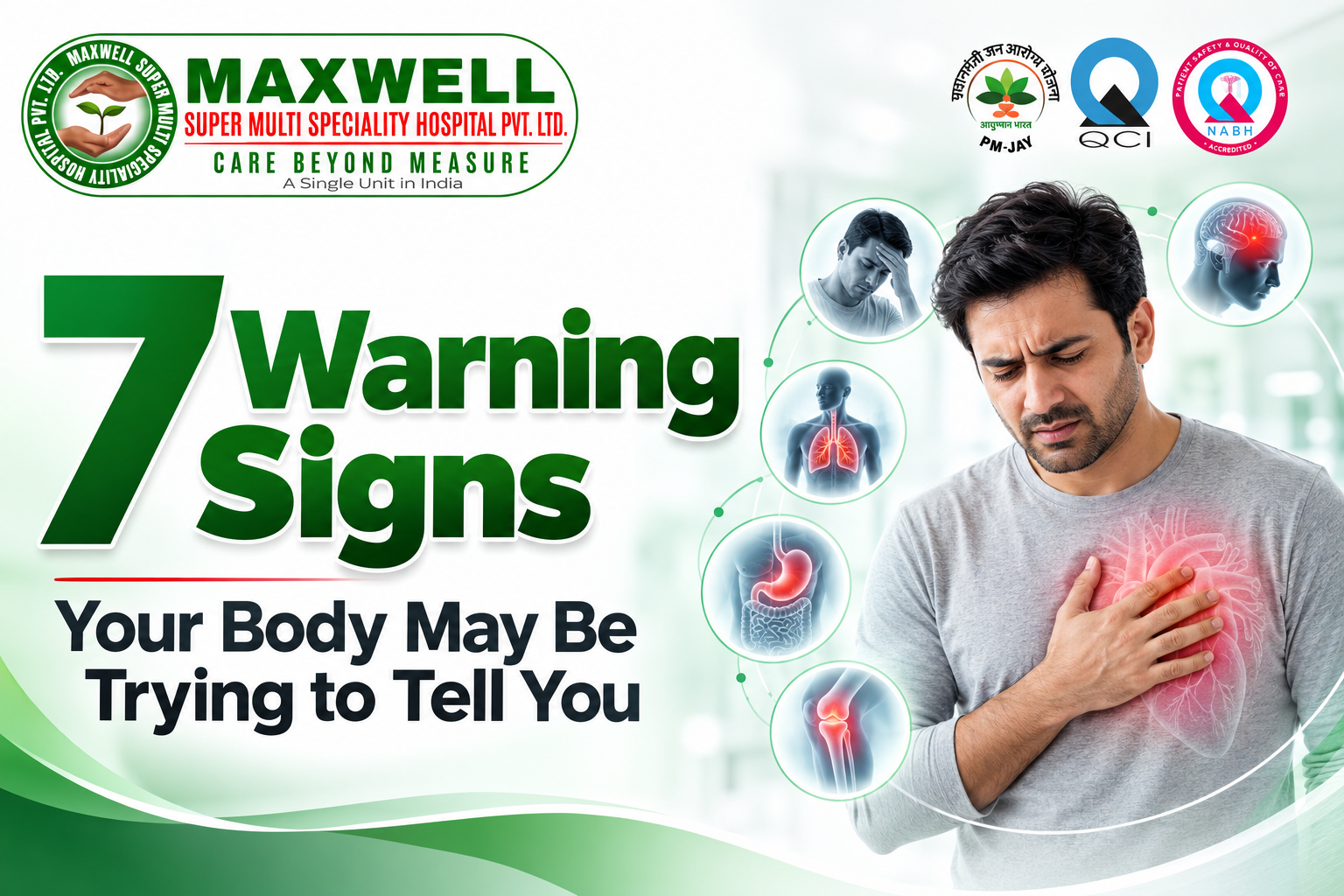
Do not ignore symptoms such as:
1-Chest discomfort or pressure.
2-Unexplained breathlessness.
3-Unusual fatigue.
4-Pain spreading to the arm, shoulder, jaw, or back.
Dizziness or fainting.
Sometimes, a heart attack can occur without typical chest pain. If you experience sudden chest discomfort, severe breathlessness, cold sweating, or other possible heart attack symptoms, seek emergency medical care immediately.
Conclusion
Heart blockage does not always come with noticeable symptoms. You may feel completely healthy while coronary artery disease develops silently.
If you have diabetes, high blood pressure, high cholesterol, a family history of heart disease, or other cardiovascular risk factors, consult a cardiologist to understand whether you need further evaluation.
Remember: A healthy-looking lifestyle does not always guarantee healthy arteries. Early assessment and timely medical care can make a significant difference.
Consult an Expert Cardiologist
For expert cardiac consultation, diagnosis, and treatment, visit:
Maxwell Super Multispeciality Hospital Pvt. Ltd.
Dr. Amit Singh
MBBS, MD, DM – Cardiology
📍 Address: Bypass, Near Toll Tax Plaza, Dafi, Varanasi
📞 Call: 7897991775 | 7897991776 | 7571002355
🌐 Website: www.maxwellhospital.in
Take care of your heart today for a healthier tomorrow!